
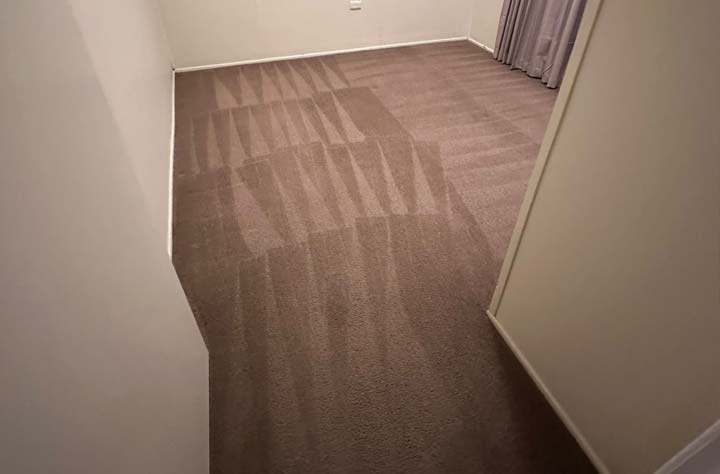
If you have never had your carpets professionally cleaned, you might wonder what actually happens. Is it different from renting a machine from the store? What do the professionals do that you cannot do yourself?
This guide walks through the entire professional carpet cleaning process. By the end, you will know exactly what to expect when you book a service.
Step 1: Inspection and Assessment
The process starts before any cleaning begins. A professional cleaner will inspect your carpets to understand what they are dealing with.
What They Look For
- Carpet type and fiber composition. Different fibers require different cleaning methods. Nylon, polyester, wool, and olefin each have unique needs.
- Stain types. The cleaner identifies any stains and determines what caused them. This guides the choice of pretreatment products.
- Traffic patterns. High-traffic areas may need extra attention.
- Furniture placement. The cleaner notes which items need to be moved.
- Existing damage. Fraying, delamination, or discoloration are noted so the cleaner knows to be careful in those areas.
Why This Matters
A proper inspection prevents damage. It also ensures the right cleaning method is used. A good cleaner will never use a one-size-fits-all approach.
Step 2: Furniture Moving
Before cleaning can begin, furniture needs to be moved out of the way. This gives the cleaner full access to the carpet.
Most professional cleaners will move small and medium furniture for you. This includes sofas, chairs, coffee tables, and side tables.
What You Should Do
- Move small and fragile items yourself. Lamps, vases, picture frames, and electronics should be removed from the room.
- Remove items from under beds and furniture so the cleaner can reach all areas.
- Clear a path to each room being cleaned.
If you have heavy items like a piano or large armoire, discuss this with the cleaner ahead of time.
Some cleaners charge extra for moving large furniture. Ask about this when you book.
Step 3: Deep Vacuuming
The next step is a thorough vacuuming. Professional cleaners use high-powered vacuums that are stronger than typical home models.
What This Does
- Removes loose dirt, dust, and debris from the surface.
- Pulls up particles that could turn into mud when wet cleaning methods are used.
- Prepares the carpet for deeper treatment.
Professional vacuums often have better filtration systems than home vacuums. They trap fine particles that might otherwise be released back into the air.
This step alone can make a visible difference in how the carpet looks.
Step 4: Pretreatment
After vacuuming, the cleaner applies a pretreatment solution. This is a specialized cleaning agent that breaks down soil, oils, and stains.
How It Works
The pretreatment is sprayed onto the carpet. It is allowed to sit for a specific amount of time, usually 5 to 15 minutes. This dwell time gives the solution time to penetrate the fibers and loosen dirt.
Spot Treatment
During this step, the cleaner also applies stronger treatments to visible stains. Different stains require different products. For example:
- Protein-based stains like blood or urine are treated with enzymes.
- Grease and oil stains are treated with solvents.
- Tannin stains from coffee or wine are treated with acidic solutions.
The cleaner uses their knowledge of stain chemistry to choose the right product for each spot.
Step 5: Agitation
Once the pretreatment has had time to work, the cleaner agitates the carpet. This involves using a machine with a rotating brush or a grooming tool.
Why Agitation Is Important
Agitation works the cleaning solution deep into the carpet fibers. It also helps break up dirt that has bonded to the fibers.
Think of it like scrubbing a dirty pan. The cleaning solution loosens the grime, but a little scrubbing helps lift it off.
Step 6: Hot Water Extraction (Rinsing and Vacuuming)
This is the main cleaning step. It is called hot water extraction, though many people refer to it as steam cleaning.
What Happens
A truck-mounted or portable machine sprays hot water at high pressure into the carpet. The water mixes with the cleaning solution and dirt. Almost immediately, a powerful vacuum system extracts the water.
The machine makes multiple passes over each section of carpet. Each pass extracts more dirty water. The cleaner continues until the water running out runs clear.
Why Professional Equipment Matters
Professional machines operate at higher temperatures and pressures than rental machines. They also have stronger vacuum power. This means:
- More dirt is removed.
- Less water is left behind.
- Less cleaning solution residue remains.
- Carpets dry faster.
A rental machine might leave 50 to 70 percent of the water in the carpet. Professional equipment leaves less than 10 percent.
Step 7: Final Rinse (Optional but Recommended)
Some cleaners perform a final rinse with plain hot water. This step removes any remaining cleaning solution from the carpet.
Why This Is Important
Residue from cleaning solutions can attract dirt. A carpet that is not rinsed properly may get dirty faster than before it was cleaned.
A final rinse ensures the carpet is as clean as possible with no sticky residue left behind.
Step 8: Grooming
After extraction, the cleaner may groom the carpet. This involves running a rake-like tool over the fibers.
Benefits of Grooming
- Straightens the carpet fibers so they dry evenly.
- Prevents ridges or waviness.
- Helps the carpet look fluffier and more uniform.
- Speeds up drying by exposing more fiber surface to air.
Grooming is especially helpful for carpets with long or high pile.
Step 9: Drying
The carpet is now clean but wet. Drying time depends on several factors.
Typical Drying Time
Most carpets dry in 6 to 12 hours. Factors that affect drying include:
- Humidity levels. High humidity slows drying.
- Airflow. Open windows and fans speed drying.
- Carpet thickness. Thicker carpets hold more water and take longer to dry.
- Padding condition. If the padding is old or waterlogged, drying takes longer.
What the Cleaner Does
Many professional cleaners place air movers or fans in the rooms to speed up drying. Some also apply a drying agent to absorb moisture.
What You Should Do
- Open windows if weather permits.
- Turn on ceiling fans and portable fans.
- Avoid walking on the carpet until it is dry.
- Do not place furniture back until the carpet is completely dry. Use aluminum foil or plastic under furniture legs to prevent stains.
Step 10: Post-Cleaning Inspection
Before the cleaner leaves, they do a final walk-through. They check for:
- Areas that may need additional treatment.
- Stains that did not come out completely.
- Overall quality of the cleaning.
A good cleaner will point out any areas that could not be fully restored and explain why.
How Long Does the Whole Process Take?
For a typical three-bedroom home, the full process takes one to two hours. The time depends on:
- The size of the area being cleaned.
- The level of soiling.
- The number of stains that need spot treatment.
- Furniture that needs to be moved.
The cleaning itself is the quickest part. Drying takes the longest.
What Professional Cleaners Use
Professional carpet cleaning involves more than just a machine. Here are some of the tools and products professionals use.
Truck-Mounted Units
These are the most powerful systems. The cleaning unit is mounted in a van or truck and connected to the home with hoses. They provide high heat and strong suction.
Portable Units
These are self-contained units that fit inside the home. They are less powerful than truck-mounted units but still stronger than rental machines.
Cleaning Solutions
Professionals use a range of solutions:
- General purpose cleaners for routine soil.
- Enzyme cleaners for organic stains.
- Solvent cleaners for grease and oil.
- Deodorizers for odor removal.
- Protectants to help carpets resist future stains.
pH Balancers
Some cleaning solutions are alkaline or acidic. Professionals use pH balancers to ensure the carpet is left at a neutral pH. This prevents damage and residue.
Frequently Asked Questions
Do I need to vacuum before the cleaner arrives?
It helps, but it is not required. The cleaner will do a deep vacuum as part of the service.
Should I be home during the cleaning?
You do not need to be, but many homeowners prefer to be present. The cleaner will need access to the rooms and may need to ask questions about stains.
Can professional cleaning damage my carpet?
When done correctly, professional cleaning is safe for your carpet. Damage can occur if the wrong method is used or if the carpet is not dried properly. A qualified professional minimizes these risks.
How often should I have my carpets professionally cleaned?
Most homes benefit from professional cleaning every 12 to 18 months. Homes with pets, children, or allergies may need cleaning every 6 to 12 months.
Is professional cleaning worth the cost?
Professional cleaning removes far more dirt than DIY methods. It also extends the life of your carpet and improves indoor air quality. For most homeowners, it is a worthwhile investment.
What if stains do not come out?
Some stains cannot be completely removed, especially if they have been there for a long time. A professional will explain what is realistic before starting. They will do their best but cannot guarantee complete removal of all stains.
Final Thoughts
Professional carpet cleaning is a thorough, multi-step process. It starts with an inspection and ends with a clean, dry carpet that looks and feels refreshed.
Understanding the process helps you know what to expect. It also helps you appreciate the skill and equipment that go into a professional clean.
If your carpets are due for cleaning, schedule a professional service. Your carpets will look better, your home will smell fresher, and you will breathe easier.
Contact us to book a professional carpet cleaning. We use truck-mounted equipment and eco-friendly cleaning solutions for a deep, safe clean.