
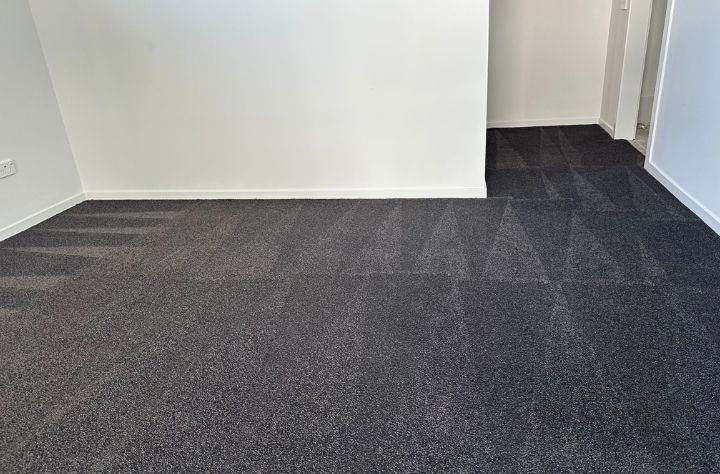
Carpets add warmth, comfort, and style to a home. But they also trap dirt, dust, allergens, and spills. Keeping them clean is not just about looks. It affects the air you breathe and how long your carpet lasts.
If you are a new homeowner or someone who has never thought much about carpet care, this guide is for you. We will cover everything from routine maintenance to deep cleaning methods. By the end, you will know exactly how to keep your carpets in great condition.
Why Carpet Cleaning Matters
Many homeowners do not realize how much dirt their carpets collect. Every time you walk across a carpet, you track in soil, pollen, and bacteria from outside. Over time, these particles get ground into the fibers.
Dirty carpets do more than look bad. They can trigger allergies, trap odors, and wear down fibers faster. Regular cleaning removes these contaminants and extends the life of your carpet.
Carpet manufacturers often recommend professional cleaning every 12 to 18 months. Following this schedule can help maintain your warranty.
Types of Carpet Fibers
Before you clean a carpet, it helps to know what it is made of. Different fibers react differently to cleaning methods and products.
Nylon
Nylon is the most common carpet fiber. It is durable, resilient, and resistant to wear. It responds well to most cleaning methods. Nylon carpets are a good choice for high-traffic areas.
Polyester
Polyester carpets are soft and stain resistant. They hold color well and are often more affordable than nylon. However, they can crush more easily under heavy furniture or in busy areas.
Olefin
Olefin (polypropylene) is moisture resistant and works well in basements or outdoor spaces. It is not as durable as nylon and can be harder to clean when oil-based stains occur.
Wool
Wool is a natural fiber that feels soft and looks luxurious. It is naturally resistant to dirt and flames. But wool requires gentle cleaning methods. Harsh chemicals or too much water can damage it.
Triexta
Triexta is a newer fiber that combines the softness of polyester with the durability of nylon. It is stain resistant and environmentally friendly. Many modern carpets use triexta.
Check the label or ask your retailer if you are unsure what type of carpet you have. This will guide your cleaning choices.
Routine Carpet Maintenance
The best way to keep carpets clean is to stop dirt from building up in the first place. Routine maintenance is simple and takes only a few minutes each week.
Vacuuming Frequency
How often you vacuum depends on foot traffic.
- High-traffic areas (hallways, living rooms): vacuum at least twice a week.
- Medium-traffic areas (bedrooms, offices): vacuum once a week.
- Low-traffic areas (guest rooms): vacuum every one to two weeks.
Vacuuming removes surface dirt before it gets pushed deeper into the fibers. Use a vacuum with a brush bar or beater bar for best results on most carpets.
Vacuuming Technique
Go slow. Many people rush through vacuuming, which leaves dirt behind. Make several passes in different directions. This lifts the carpet pile and releases trapped particles.
Do not forget edges and corners. Use a crevice tool attachment to reach along baseboards and under furniture.
Spot Cleaning Spills
Act fast when something spills. The longer a stain sits, the harder it is to remove.
Blot the spill with a clean, white cloth. Do not rub. Rubbing spreads the stain and pushes it deeper. Start at the outer edge and work inward to prevent the stain from spreading.
Use a mild cleaning solution. Mix a small amount of dish soap with water, or use a carpet spot cleaner. Test any product on a hidden area first.
Using Doormats
Place doormats at every entrance to your home. A good doormat traps dirt before it reaches your carpet. Clean the mats regularly so they keep working.
A no-shoes policy indoors also reduces the amount of dirt tracked onto carpets.
Deep Cleaning Methods
Routine vacuuming removes surface dirt, but deep cleaning is needed to remove embedded soil, allergens, and bacteria. There are several methods to choose from.
Hot Water Extraction (Steam Cleaning)
This is the method most professionals use. Hot water and a cleaning solution are sprayed into the carpet under pressure. A powerful vacuum then extracts the water along with the dissolved dirt.
Despite the common name, steam cleaning does not use steam. It uses hot water. The temperature helps break down grime and kills some bacteria.
Hot water extraction is effective for most carpet types. It removes deep dirt and can improve indoor air quality. The main downside is drying time. Carpets can take 6 to 12 hours to dry fully.
Dry Carpet Cleaning
Dry cleaning uses a specialized machine that applies a cleaning compound or powder to the carpet. The compound absorbs dirt. A machine with a rotating brush works it into the fibers. After a short time, the compound is vacuumed up along with the trapped dirt.
This method uses very little moisture. Carpets dry in about one to two hours. It is a good option when you need your carpets ready quickly.
However, dry cleaning may not remove deep-set stains as effectively as hot water extraction.
Encapsulation
Encapsulation is a low-moisture method. A synthetic detergent is applied to the carpet. As it dries, it crystallizes into particles that trap dirt. These crystals are then removed by vacuuming.
Encapsulation dries quickly and leaves little residue. It is often used for commercial carpets but works well in homes too.
Shampooing
Carpet shampooing uses a foamy detergent that is scrubbed into the fibers. The foam is then vacuumed out. This method is less common today because it can leave sticky residue that attracts more dirt.
If you use this method, rinse the carpet thoroughly afterward to remove all soap.
Choosing Between DIY and Professional Cleaning
Many homeowners wonder whether to rent a machine or hire a professional. Both options have their place.
When DIY Makes Sense
- You need to clean a small area.
- You want to freshen up carpets between professional cleanings.
- You have the time and patience to do it properly.
Rental machines are available at most grocery stores and home improvement centers. They can work well if you follow the instructions carefully. Be careful not to oversaturate the carpet. Too much water can lead to mold growth or damage the backing.
When to Hire a Professional
- You have tough stains or odors that will not come out.
- Your carpets are heavily soiled.
- You want a deep, thorough clean.
- Your carpet is made of wool or a delicate fiber.
- You need to remove allergens for health reasons.
Professional cleaners use stronger equipment and more effective cleaning solutions. They can also treat specific problems like pet stains or high-traffic areas.
Preparing for a Professional Carpet Cleaning
If you decide to hire a professional, a little preparation helps the process go smoothly.
Before the Appointment
- Move small furniture and fragile items out of the room.
- Vacuum thoroughly to remove loose dirt.
- Point out any stains or problem areas to the cleaner.
- Clear a path to the rooms being cleaned.
- Keep pets in a safe area away from the work.
After the Appointment
- Do not walk on the carpets until they are dry. This usually takes 6 to 12 hours.
- Open windows or run fans to speed up drying.
- Avoid placing furniture back on damp carpet. Use aluminum foil or plastic squares under furniture legs to prevent rust or discoloration.
- Wait until the carpet is fully dry before vacuuming again.
Common Carpet Cleaning Mistakes
Even with good intentions, homeowners can make mistakes that damage their carpets or leave them dirtier. Here are the most common ones.
Using Too Much Water
Oversaturation is a frequent problem with DIY cleaning. When too much water soaks into the carpet, it can reach the backing and padding. This creates an environment for mold and mildew. It can also cause the carpet to shrink or delaminate.
Scrubbing Stains
When you scrub a stain with force, you damage the fiber texture. You also spread the stain. Always blot gently.
Using the Wrong Cleaning Products
Some cleaning products are too harsh for certain carpet fibers. Bleach can discolor carpets. Some stain removers can set a stain permanently. Always test on a hidden area first.
Leaving Residue Behind
If cleaning solution is not rinsed out properly, it leaves a sticky residue. This residue attracts dirt, making the carpet get dirty faster than before.
Skipping Regular Maintenance
Waiting too long between cleanings allows dirt to build up deep in the fibers. Once embedded, it is harder to remove and can cause permanent damage.
Stain Removal Guide
Some stains are more common than others. Here is how to handle the ones you are most likely to face.
Coffee and Tea
Blot the spill immediately. Mix one tablespoon of white vinegar with one tablespoon of dish soap and two cups of warm water. Apply the solution, blot, and rinse with water.
Red Wine
Blot the spill. Cover the area with salt to absorb the liquid. After a few minutes, vacuum the salt and treat the remaining stain with a mild detergent solution.
Pet Urine
Blot as much liquid as possible. Apply an enzymatic cleaner designed for pet stains. These cleaners break down the proteins in urine and remove both the stain and the odor.
Grease and Oil
Sprinkle baking soda or cornstarch on the stain. Let it sit for 15 minutes to absorb the grease. Vacuum and apply a grease-cutting dish soap solution.
Mud
Let the mud dry completely. Once dry, vacuum the loose particles. Treat any remaining mark with a mild detergent solution.
Ink
Do not rub. Blot with a cloth dampened with rubbing alcohol. Test on an inconspicuous area first.
How to Extend the Life of Your Carpet
Your carpet is an investment. With proper care, it can last 10 to 15 years or longer.
Use Furniture Pads
Place felt pads under furniture legs. This prevents dents and reduces fiber crushing.
Rearrange Furniture
Move furniture occasionally to distribute wear evenly across the carpet.
Clean Spills Immediately
The sooner you treat a spill, the less likely it is to become a permanent stain.
Schedule Regular Professional Cleanings
Professional cleaning every 12 to 18 months removes dirt that vacuuming cannot reach. It also resets the carpet fibers and revives their appearance.
Trim Snags
If you see a loose fiber or snag, trim it with scissors. Do not pull it. Pulling can unravel the carpet weave.
Frequently Asked Questions
How often should I vacuum my carpet?
It depends on traffic levels. High-traffic areas need vacuuming two to three times per week. Low-traffic areas can go longer between sessions.
Can I use bleach to clean my carpet?
Bleach can discolor or damage carpet fibers. Avoid it unless the carpet is specifically labeled as bleach-safe.
Why does my carpet look dirty after cleaning?
This can happen if too much cleaning solution was used and not rinsed out. The residue attracts dirt. It can also happen if the carpet was walked on before it was fully dry.
How long does it take for carpet to dry after professional cleaning?
Drying time is usually 6 to 12 hours. Factors like humidity, airflow, and carpet thickness affect drying time.
Is steam cleaning safe for all carpets?
Hot water extraction is safe for most synthetic carpets. Wool and some delicate fibers may require a different method. Check with your carpet manufacturer or a professional cleaner.
Can I clean my carpet with just water?
Water alone cannot remove embedded dirt and oils. A cleaning solution helps break down soil so it can be extracted.
What is the white residue on my carpet after cleaning?
White residue is usually leftover cleaning solution that was not rinsed properly. It can be removed by rinsing the area with water and extracting again.
Final Thoughts
Carpet cleaning does not have to be complicated. With regular vacuuming, prompt spill treatment, and an occasional deep clean, you can keep your carpets looking good and lasting longer.
Choose a cleaning method that matches your carpet type and your needs. When in doubt, consult a professional. They have the tools and knowledge to handle even the most challenging carpet situations.
Remember that the goal is a clean, healthy home. Every step you take toward better carpet care is a step in the right direction.
If you need professional carpet cleaning services, contact us for a free estimate. We serve homeowners in your area and take pride in delivering thorough, reliable results.